

How to Get Vomit Out of Carpet: Full Removal & Odor Guide
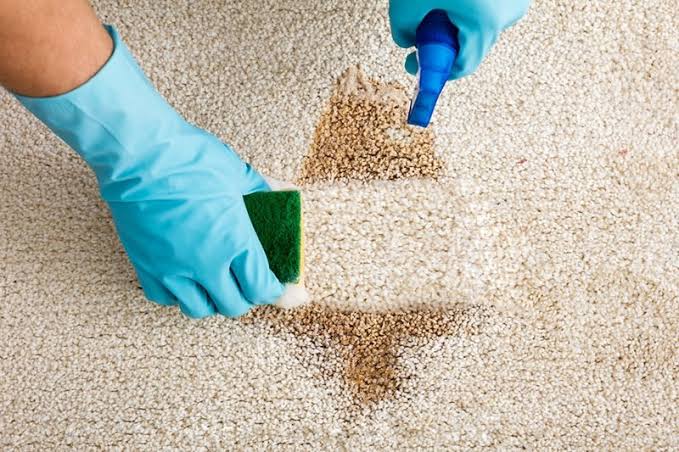
Nobody plans for it. A stomach flu, a carsick kid, a dog that got into something it shouldn’t have — and suddenly you’re staring at a mess on the one surface in your home that’s hardest to clean. The good news: if you act fast, how to get vomit out of carpet is a 20-minute job with things you already own. Wait too long, and it can mean a permanent stain and a smell that comes back every time the carpet gets damp. Here’s exactly what to do, step by step, whether the mess is fresh, dried, or already sunk into the padding underneath.
Quick Answer: How to Clean Vomit Out of Carpet
- Put on gloves and scrape up solid material with a spoon or dull knife — never a scrub brush.
- Blot (don’t rub) any remaining liquid with paper towels or a clean cloth, working from the outside of the spot inward.
- Cover the area with baking soda and leave it for 10-15 minutes to pull out moisture and odor.
- Vacuum up the baking soda completely.
- Apply a 1:1 white vinegar and water solution, or an enzyme-based cleaner, let it sit 5-10 minutes, then blot dry.
- Repeat as needed. If a stain, smell, or damp patch remains after two rounds, the vomit has likely reached the carpet padding and needs professional attention.
Why Vomit Stains and Smells So Fast
Vomit isn’t just liquid on the surface — it’s a mix of stomach acid (with a pH as low as 1.5-3.5), bile, digestive enzymes, and partially broken-down food. That acidity is what makes speed matter: left untreated, it starts breaking down the dye bonds in carpet fibres, which is what turns a stain from “treatable” into “permanent.” The proteins and enzymes are the other half of the problem. They’re organic material, which means bacteria feed on them, and that bacterial activity is what causes the sour smell to return days or even weeks later, especially once the carpet gets warm or humid again.
Understanding this is the difference between a cleaning method that works once and one that has to be repeated every time it rains.
What You’ll Need Before You Start
Item | What It’s For |
|---|---|
Disposable gloves | Hygiene and safety while handling solids |
Dull spoon or plastic scraper | Lifting solid material without shredding fibres |
Paper towels or microfiber cloths | Blotting liquid (always blot, never rub) |
Baking soda | Drawing out moisture and neutralizing odor |
White vinegar | Mild acid that neutralizes odor-causing compounds |
Enzyme-based cleaner | Breaks down the proteins causing lingering smell — essential for pet vomit |
3% hydrogen peroxide (spot test first) | Lifts stubborn discoloration on light, colorfast carpet |
Spray bottle | Even application of diluted solutions |
Wet/dry vac (optional) | Deeper extraction for larger spills |
How to Clean Fresh Vomit Out of Carpet
Speed is everything here. The longer vomit sits, the deeper the acid and moisture travel into the carpet fibres and backing.
- Put on gloves and scrape up as much solid material as possible, working from the outer edge of the spot toward the centre so you don’t spread it further.
- Blot the remaining liquid with paper towels, pressing down firmly and lifting straight up. Switch to a clean section of towel as soon as one gets saturated.
- Mix a 1:1 solution of white vinegar and cool water in a spray bottle. Do a quick spot test on a hidden patch of carpet first.
- Lightly mist the affected area until it’s damp, not soaked — oversaturating pushes the stain deeper into the padding.
- Let the solution sit for 3-5 minutes, then blot dry again with a fresh cloth.
- Sprinkle baking soda over the area and leave it for 10-15 minutes to absorb any remaining moisture and odor.
- Vacuum the baking soda up thoroughly, then check the spot once it’s fully dry — if any odor or shadow remains, repeat the vinegar step or switch to an enzyme cleaner.
How to Get Dried Vomit Out of Carpet
Found a spot days later, or missed one your dog left behind? Dried vomit needs to be rehydrated before it can be lifted — trying to scrape it dry risks tearing the carpet fibres.
- Dampen the dried area with cool water and let it sit for a few minutes to loosen the material.
- Gently scrape away the softened residue with a dull spoon or scraper.
- Follow the same steps as fresh vomit above: blot, vinegar or enzyme solution, baking soda, vacuum.
- Expect to repeat the process two or three times for older stains — dried vomit has usually had time to set into the fibres and sometimes the padding beneath.
How to Get Vomit Smell Out of Carpet for Good
A stain can look completely gone and the smell can still come back. That happens when residual protein is left behind in the fibres or the carpet backing — it doesn’t take much to feed bacteria that produce odor again once the room gets warm or humid, which is common in North Vancouver’s damp winter months.
What actually eliminates odor, rather than just masking it:
- Enzyme-based cleaners — these contain bacterial cultures that digest the proteins causing the smell, rather than just covering it. Apply, let it dwell for the time on the label (usually 10-15 minutes), then blot dry. This is the most reliable option for recurring odor, especially with pet vomit.
- White vinegar — effective for milder, fresher odors and safe on almost all carpet types, but less effective than enzymes on older or larger spots.
- Baking soda — good as a follow-up moisture and odor absorber, not a standalone fix for deep-set smell.
- A UV/blacklight flashlight — a trick most cleaning guides skip: in a dark room, a UV flashlight will make old, invisible vomit or pet accident residue glow faintly, so you can find and treat spots that are causing a smell you can’t otherwise locate.
Vomit Soaked Into the Carpet Padding? Here’s What to Do
If a spill was large, sat for a while, or the smell keeps returning no matter how many times you clean the surface, the vomit has likely reached the padding underneath — and this is where DIY methods usually stop working.
How to check:
- Press down firmly on the affected area. A cold, damp, or spongy feel usually means moisture has reached the padding.
- If it’s a small, accessible area, gently pull back the carpet edge (near a wall or doorway) to inspect the padding directly.
What to do next:
- For minor soak-through: apply an enzyme cleaner directly to the padding if accessible, then use fans and a dehumidifier to dry the area fully within 24-48 hours to prevent mould.
- For heavier soak-through: the padding section usually needs to be cut out and replaced — cleaning the carpet surface alone won’t stop the smell if the source is underneath it.
This is one of the most common reasons a DIY clean “doesn’t work.” If you’re not confident checking or treating the padding yourself, it’s worth booking professional carpet and upholstery cleaning rather than risking mould growth under the carpet.
Best Cleaning Solution for Vomit: Side-by-Side Comparison
Solution | Best For | Watch Out For |
|---|---|---|
White vinegar + water (1:1) | Fresh stains, general odor, all carpet types | Vinegar smell is temporary but noticeable for a few hours |
Baking soda | Absorbing moisture and mild odor | Must be fully vacuumed out or it leaves a residue |
Enzyme-based cleaner | Set-in stains, recurring odor, pet vomit | Needs a full dwell time (10-15 min) to work — don’t blot too soon |
3% hydrogen peroxide | Stubborn discoloration on light, colorfast carpet | Can bleach dark, wool, or wool-blend carpet — always spot test |
Dish soap + warm water | Greasy or food-heavy vomit residue | Over-wetting can push the stain down into the padding |
Cleaning Vomit by Carpet Type
Wool and wool-blend carpet: Avoid hydrogen peroxide and hot water — both can bleach or felt wool fibres permanently. Stick to enzyme cleaners and cool water only.
Nylon (most common in North Vancouver homes): The most forgiving fibre — tolerates vinegar and peroxide well, though a spot test is still worth doing on darker dyes.
Polyester: Absorbs odor more readily than nylon, so lean on enzyme treatment rather than vinegar alone for a lasting result.
Berber or looped carpet: Vomit gets trapped inside the loops. Blot only — scrubbing can snag and pull the loops loose — and consider extraction with a wet/dry vac for a thorough clean.
Not sure which fibre you have, or how it’s held up over the years? Our guide on hiring a carpet cleaner covers what to check before you decide between DIY and a professional visit.
5 Mistakes That Make Vomit Stains Worse
- Rubbing instead of blotting — this spreads the stain outward and pushes it deeper into the fibres.
- Using hot water — heat sets protein-based stains almost immediately, the same way heat sets an egg. Always use cool or lukewarm water.
- Mixing bleach with ammonia-based cleaners — pet vomit and urine both contain ammonia compounds, and mixing them with bleach produces toxic fumes.
- Skipping the odor step — cleaning up the visible mess without an enzyme or vinegar treatment leaves behind the bacteria that cause smell to return.
- Skipping the spot test — hydrogen peroxide and even some enzyme cleaners can lighten or discolor certain carpet dyes, especially on wool.
Pet Vomit vs. Human Vomit: Does It Matter?
Pet vomit often contains more bile and undigested food, and cats and dogs are prone to being drawn back to a spot if any smell remains — even a trace undetectable to humans can trigger repeat marking. That makes enzyme cleaner especially important for pet messes, not just a nice-to-have. If the accident is on a couch or car seat rather than carpet, the same principles apply — see our upholstery cleaning page for fabric-specific guidance.
When to Call a Professional Carpet Cleaner
DIY methods handle most fresh, small spills well. It’s time to call in a professional when:
- The stain or spill is more than a couple of days old
- The smell keeps returning after two full cleaning attempts
- The vomit has reached the carpet padding or subfloor
- The affected area is large, or it’s happened repeatedly (multiple pets, young kids)
- You’re dealing with wool or another delicate, high-value carpet
Professional hot-water extraction reaches deeper into the pile and padding than any home tool, and IICRC-certified technicians can treat the stain and odor at the source rather than the surface. If you’re anywhere in North Vancouver or Metro Vancouver, our team offers professional carpet cleaning built for exactly this kind of job — including the padding checks most DIY guides skip entirely.
Frequently Asked Questions
How do you clean vomit from carpet quickly?
Scrape up solids, blot the liquid with paper towels, apply a 1:1 vinegar-and-water solution, then cover with baking soda for 10-15 minutes before vacuuming. Done promptly, most fresh spills are fully cleaned in under 20 minutes.
What is the best homemade vomit stain remover for carpet?
A 1:1 mix of white vinegar and water works well on fresh stains, while a baking soda paste is better for stains that have started to set. For odor that keeps returning, an enzyme-based cleaner outperforms both.
Does vinegar or baking soda work better for vomit smell?
They work best together. Vinegar neutralizes odor on contact, while baking soda absorbs residual moisture that would otherwise keep feeding the smell. For deep-set or recurring odor, an enzyme cleaner is more effective than either alone.
Will vomit stain carpet permanently?
Only if the acid is left to sit. Stomach acid starts breaking down carpet dye within a few hours, so a stain treated the same day rarely becomes permanent, while one left overnight or longer often leaves lasting discoloration.
How long does vomit smell last in carpet?
If cleaned properly the same day, odor typically clears within hours. If the vomit reached the padding and wasn’t treated at that layer, the smell can return intermittently for weeks or months, especially in humid weather.
Is hydrogen peroxide safe for all carpet colors?
No. Hydrogen peroxide can lighten or bleach dark carpet and wool or wool-blend fibres. Always test on a hidden patch first, and avoid it altogether on wool.
Final Thoughts
A fast, correct response is what separates a five-minute cleanup from a stain and smell that lingers for months. Keep vinegar, baking soda, and an enzyme cleaner on hand, and you’ll be ready for the next surprise. And if a spill ever gets past the DIY stage — old, large, or soaked into the padding — Yara Cleaning’s residential house cleaning and carpet care team is a call away. Contact our team for a free quote on carpet and upholstery cleaning anywhere in North Vancouver or Metro Vancouver.